GEOMETRIÆ - A study in geometry and light for Moroso
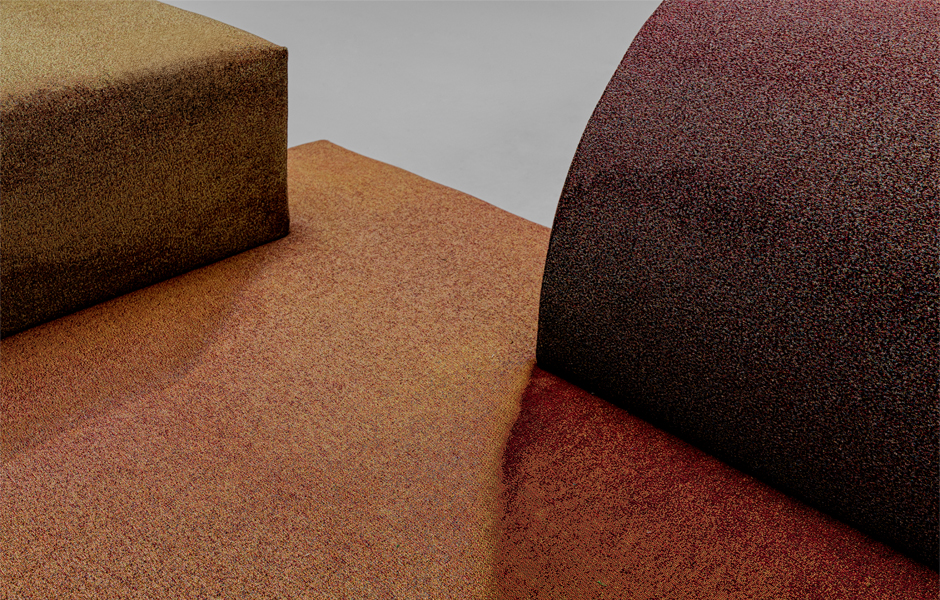
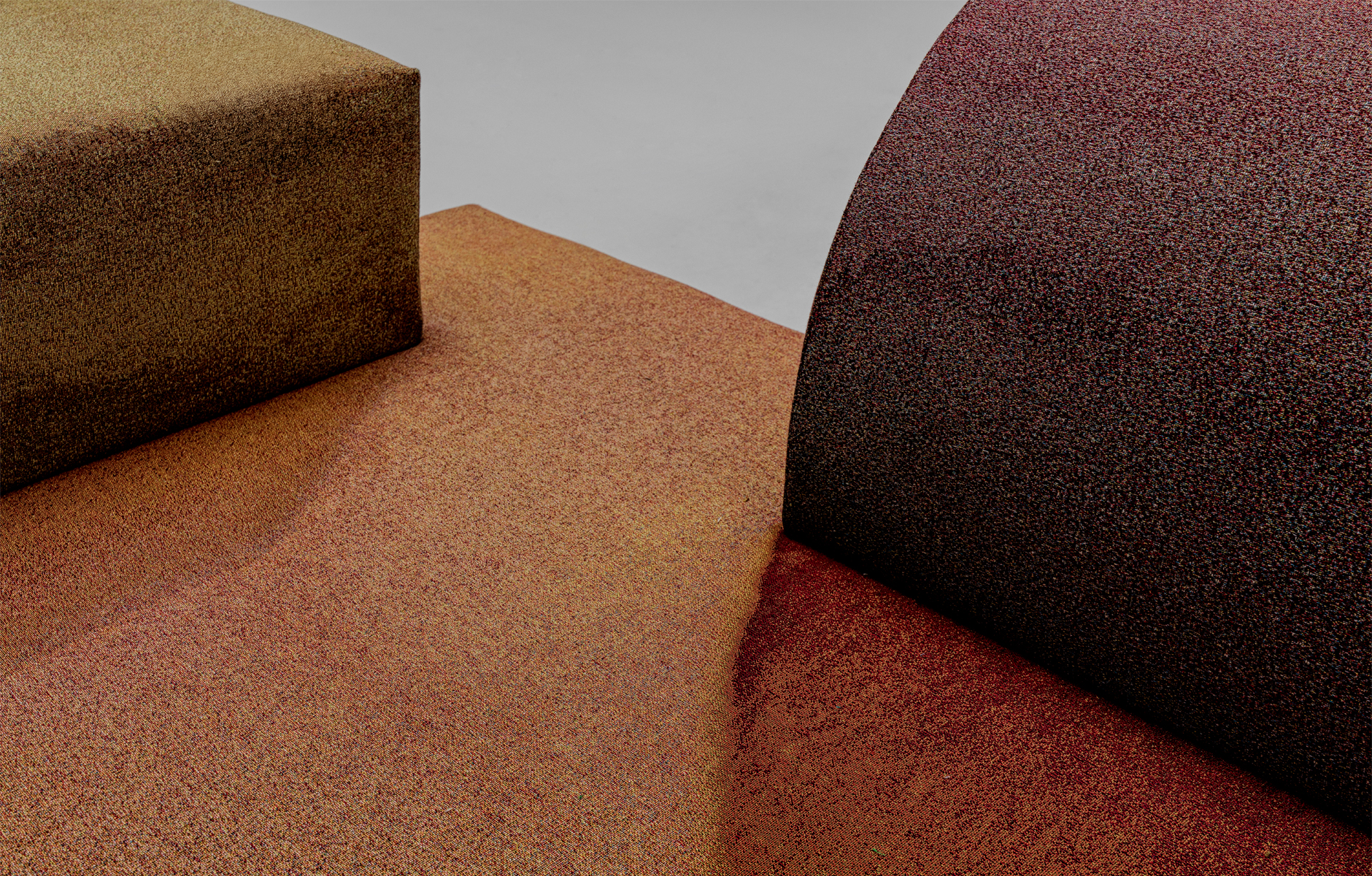
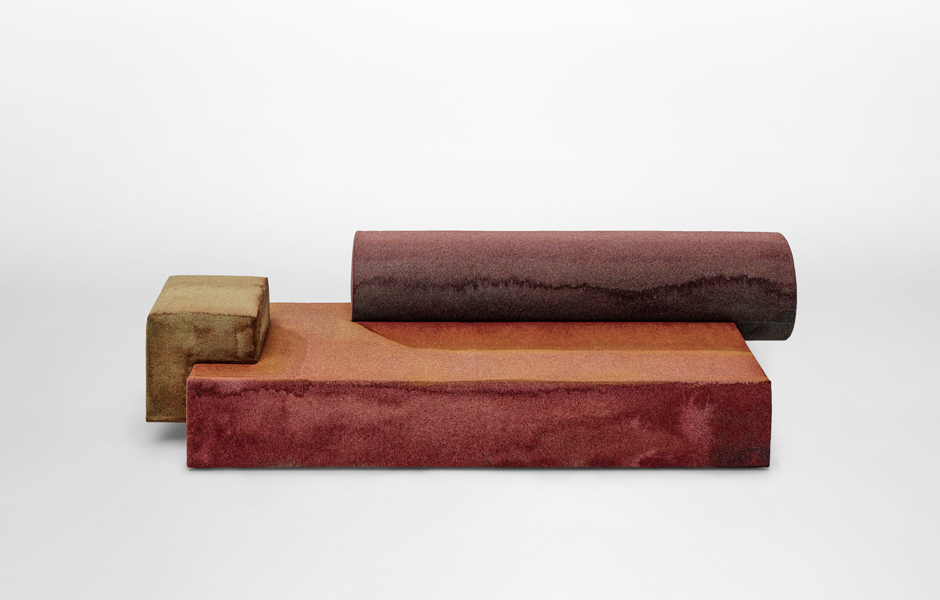
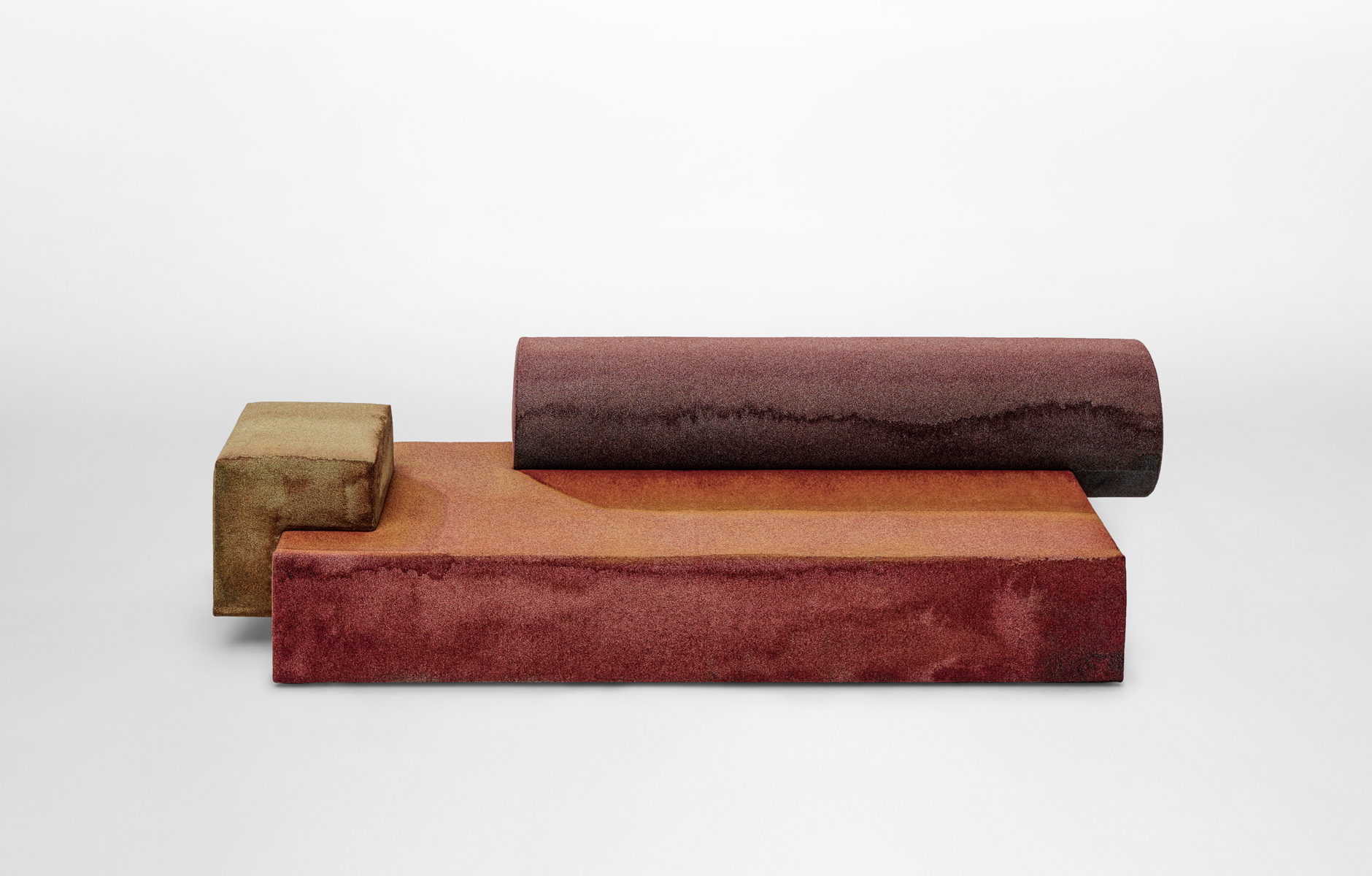
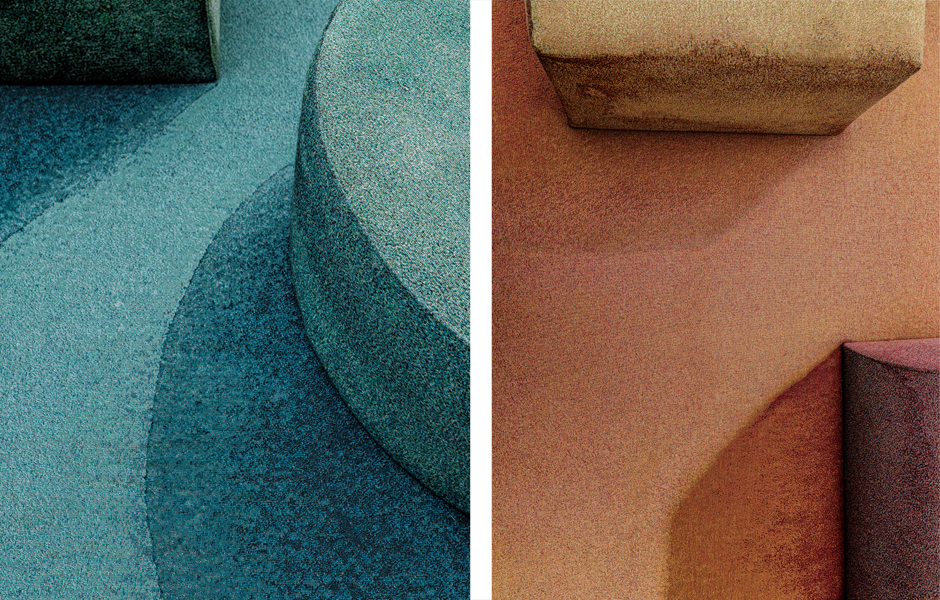
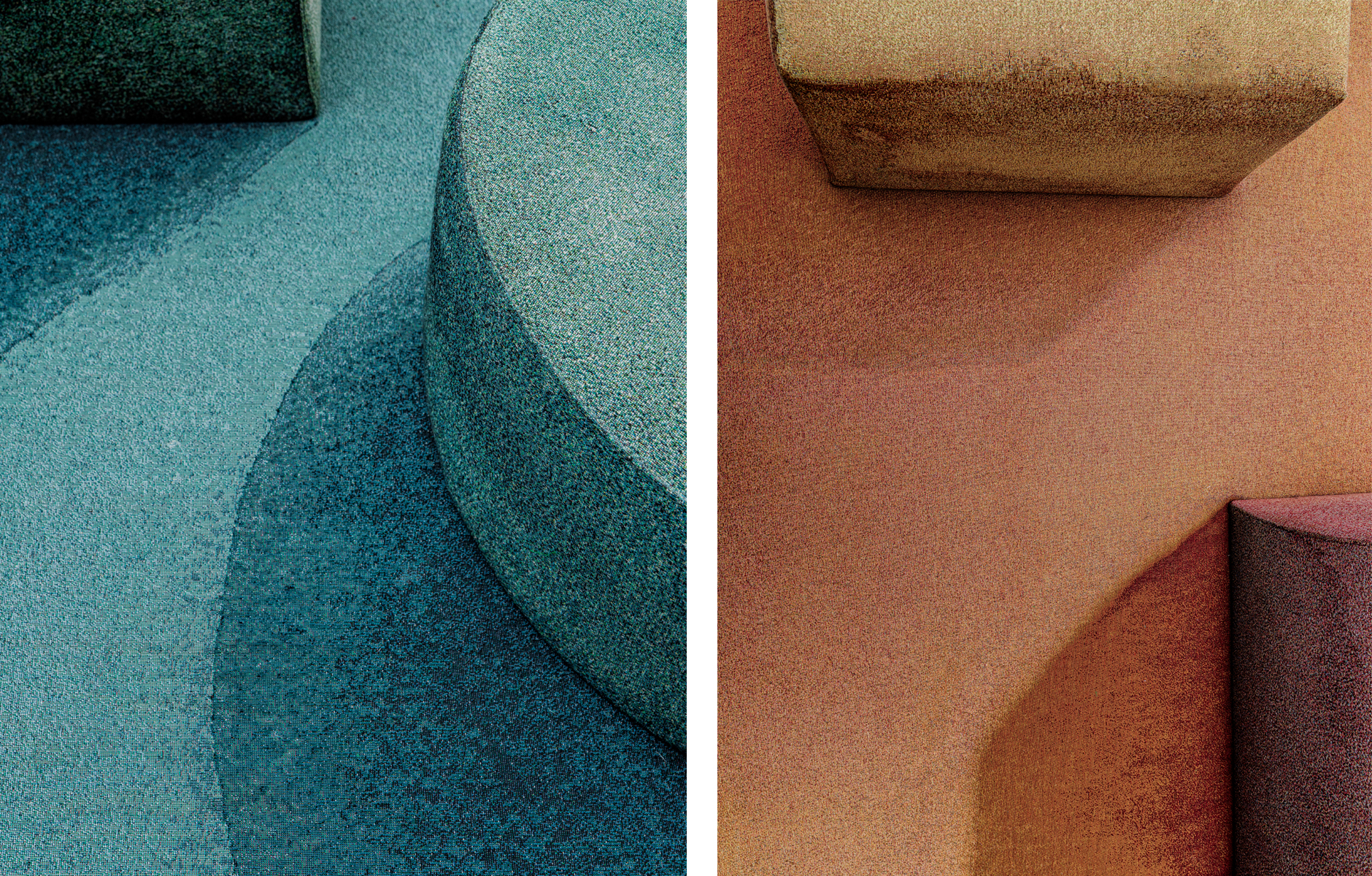
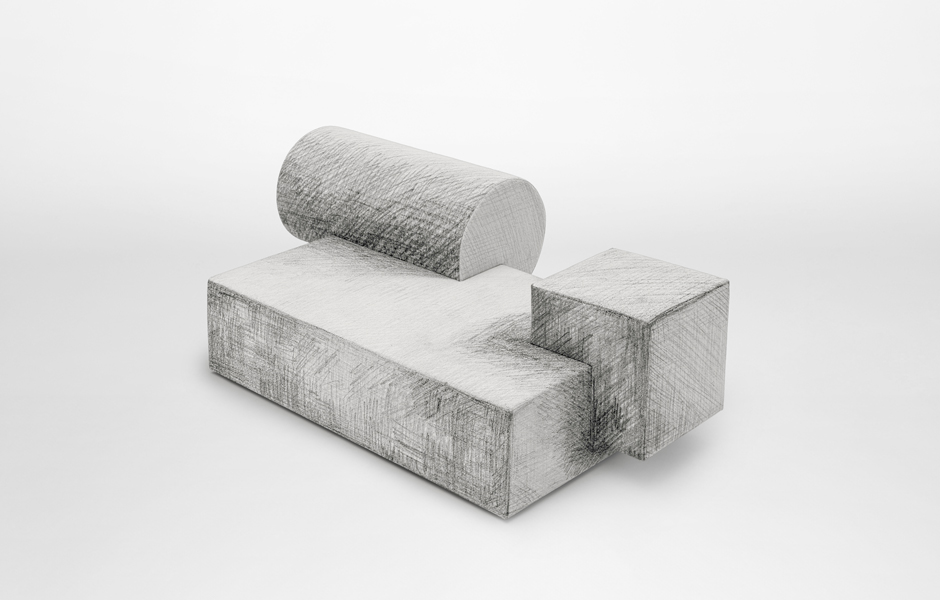
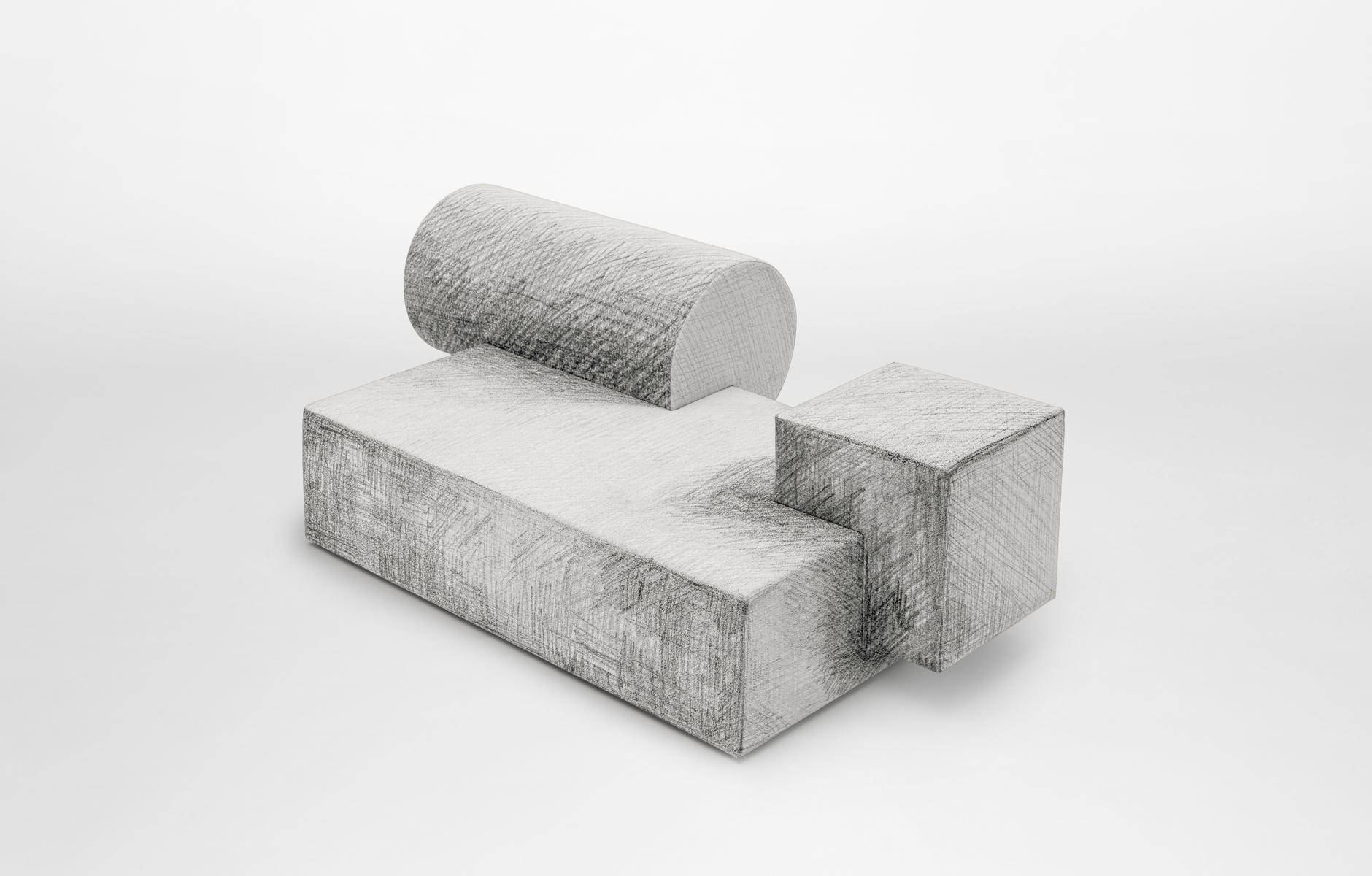
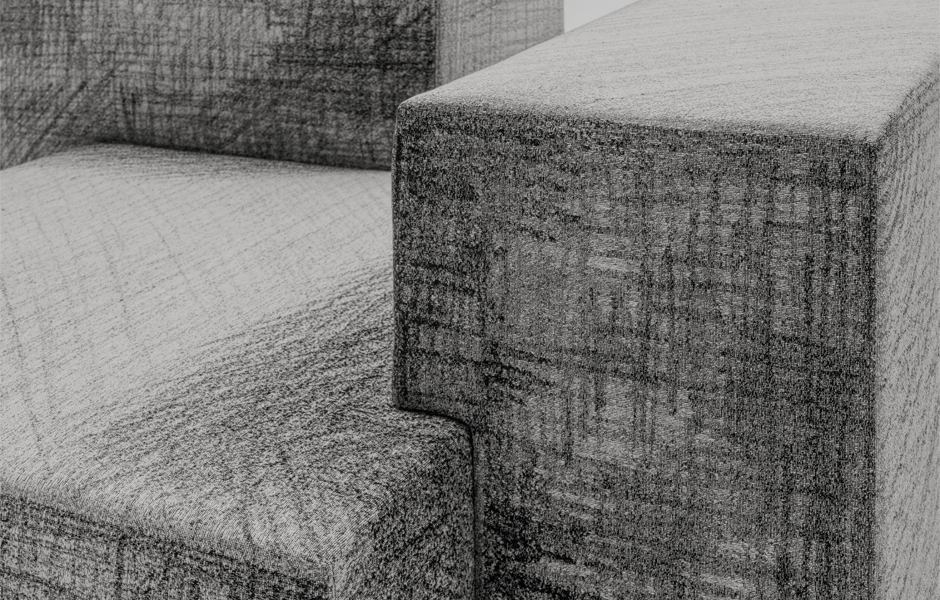
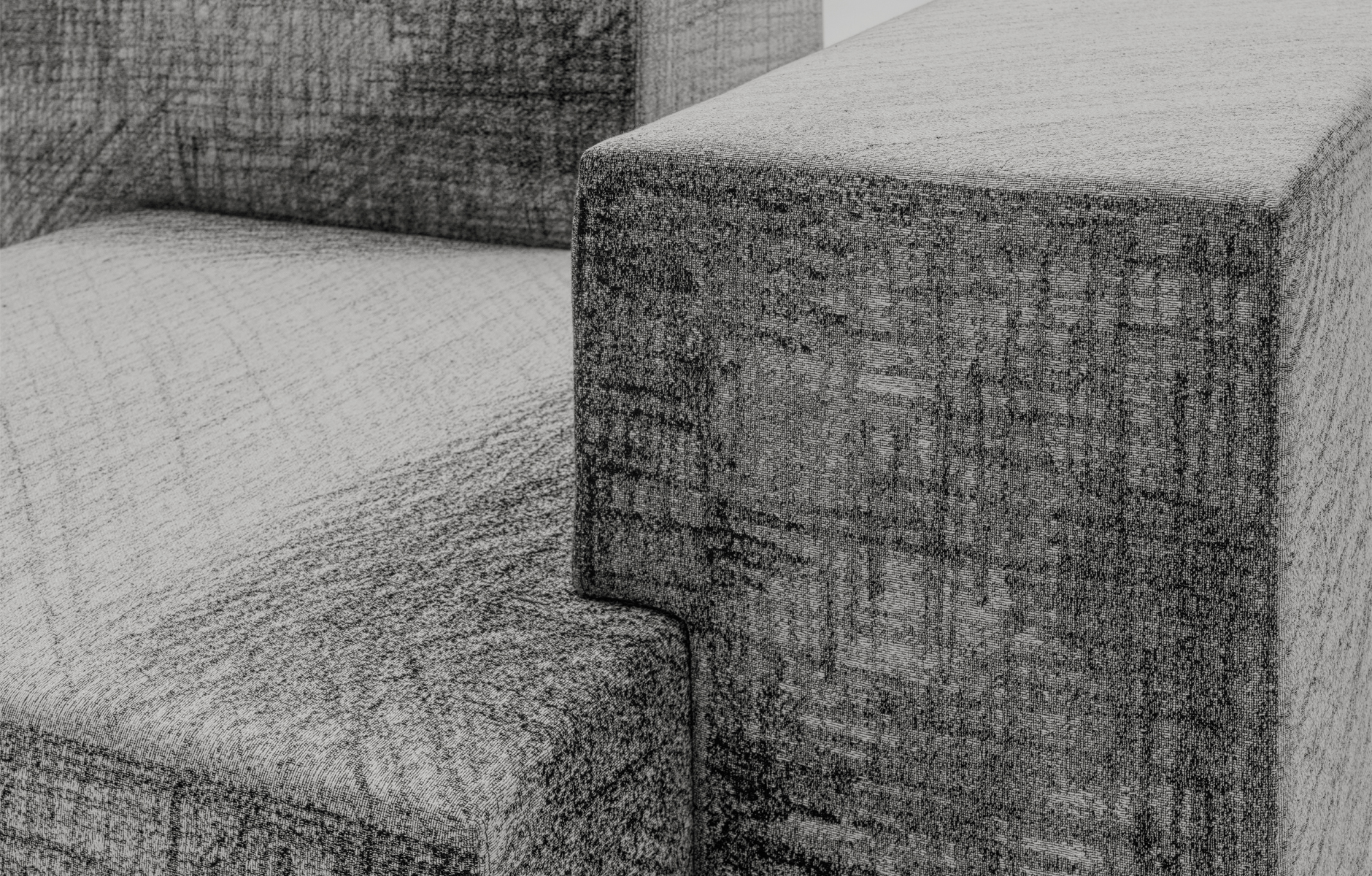
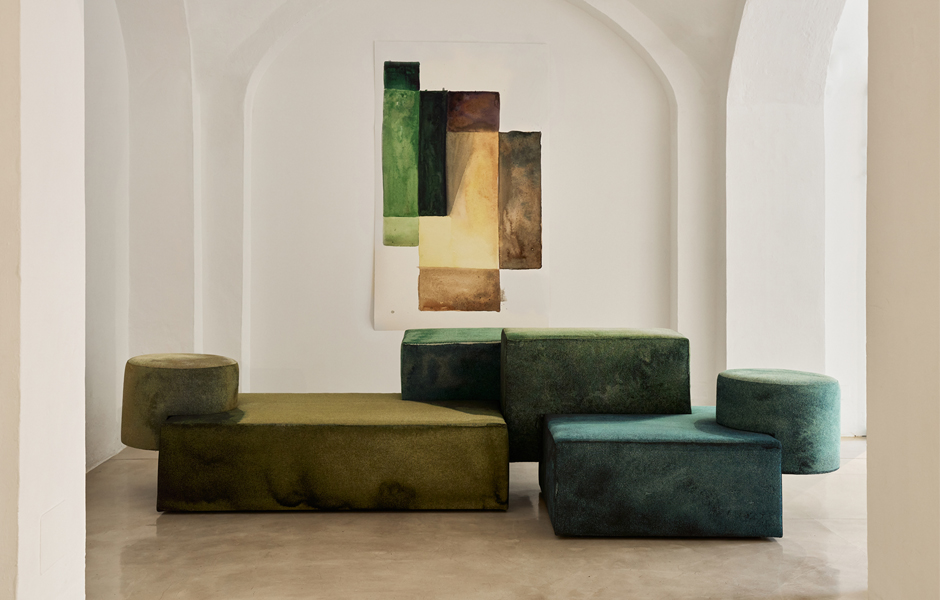
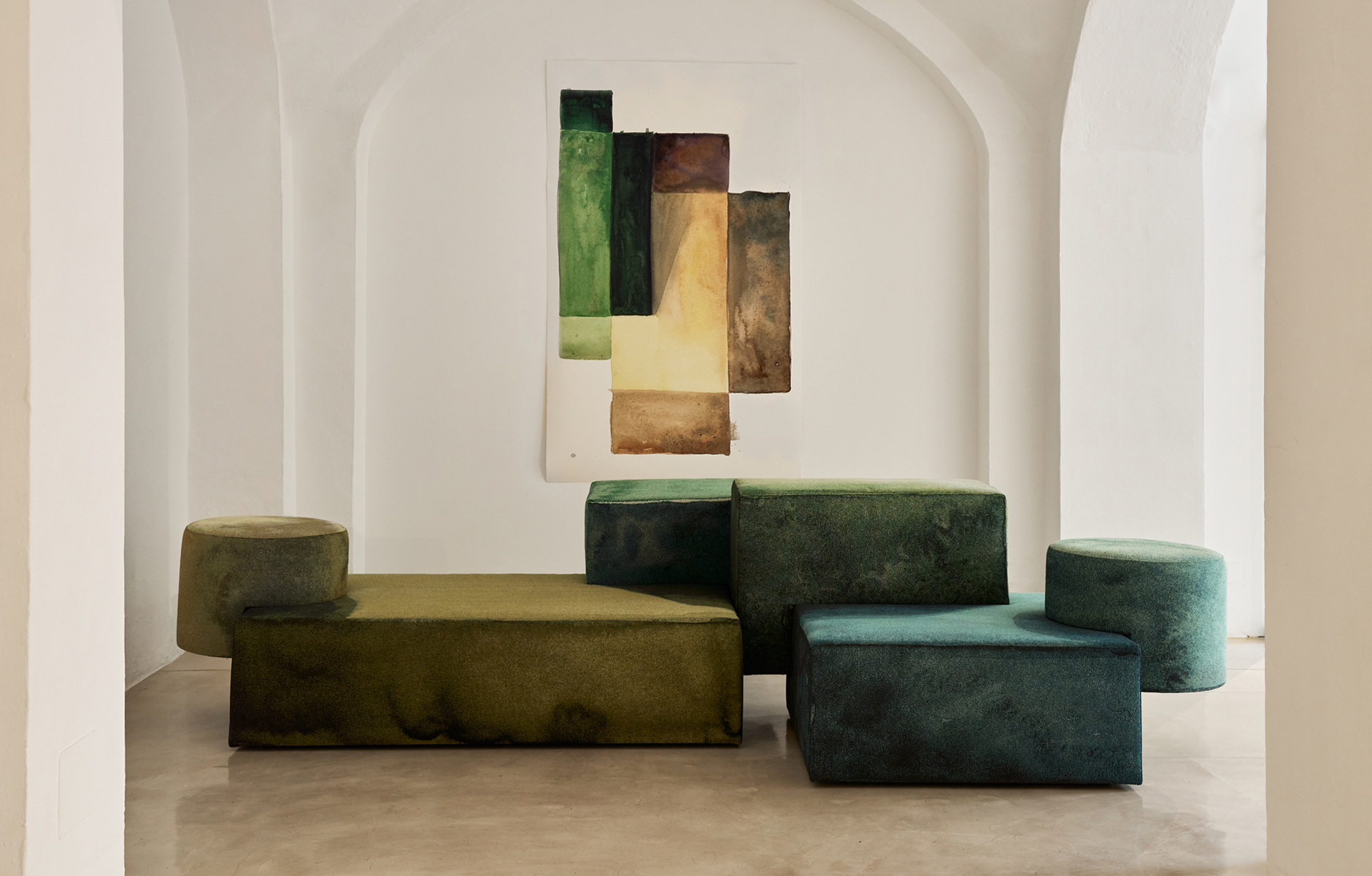
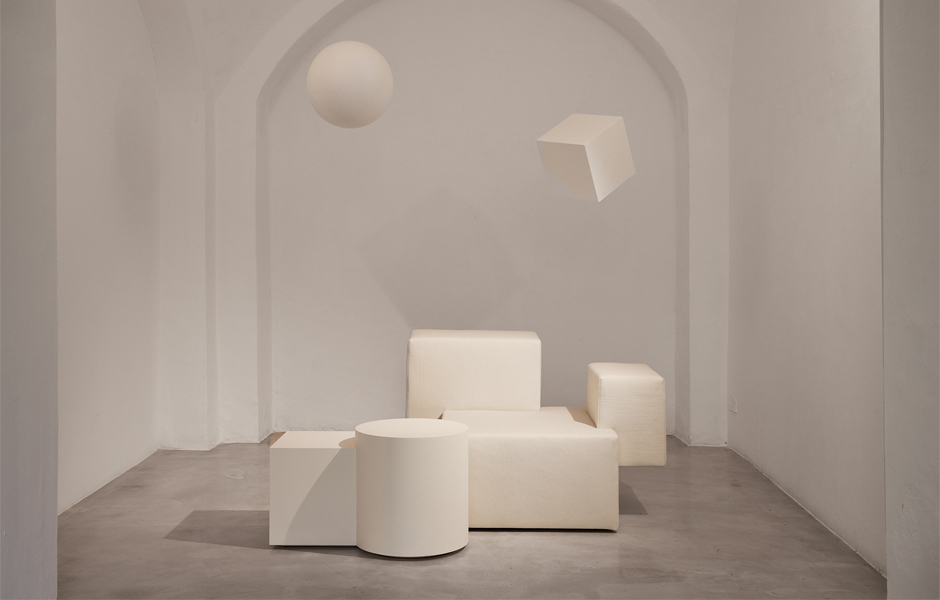
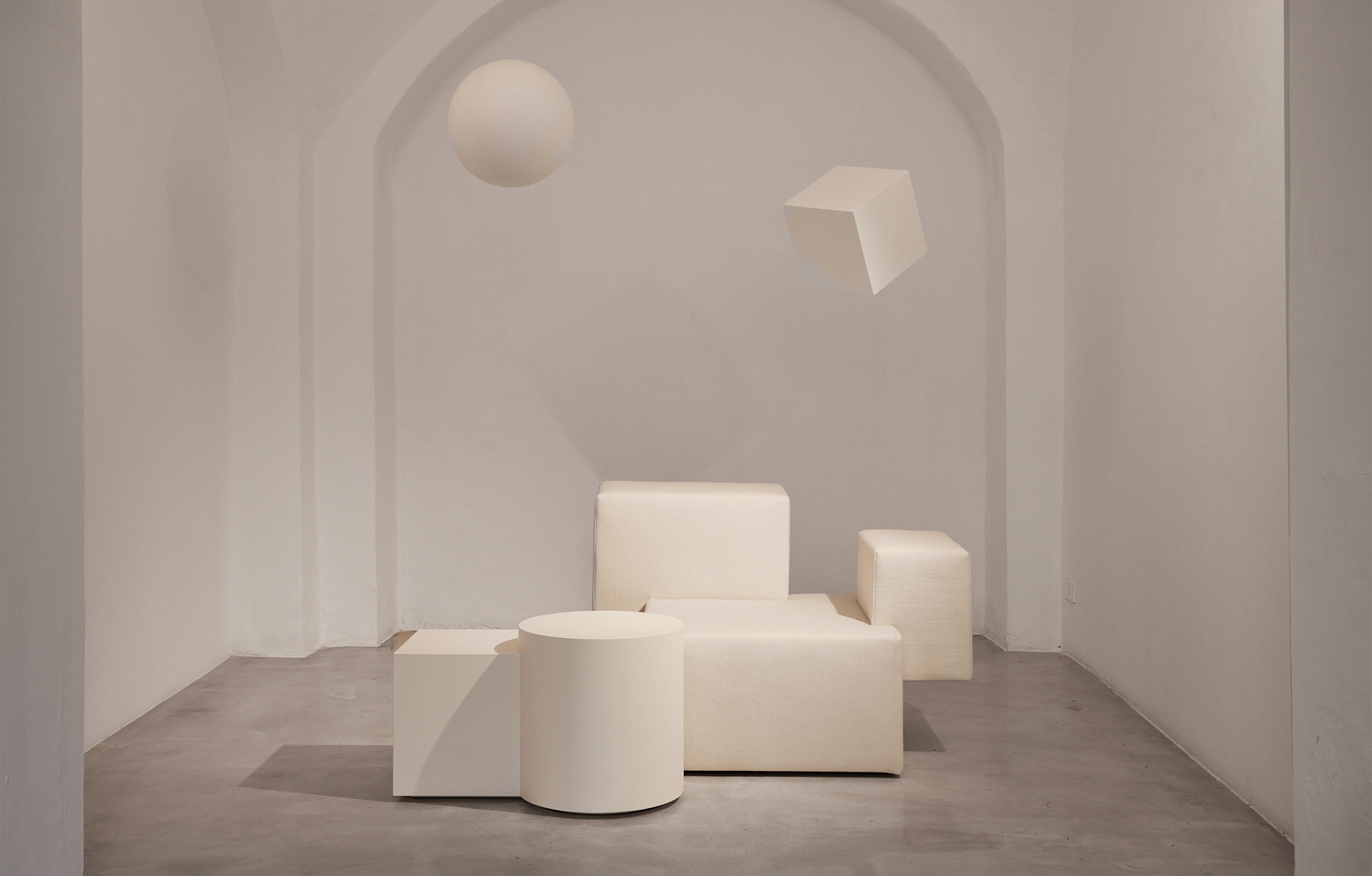
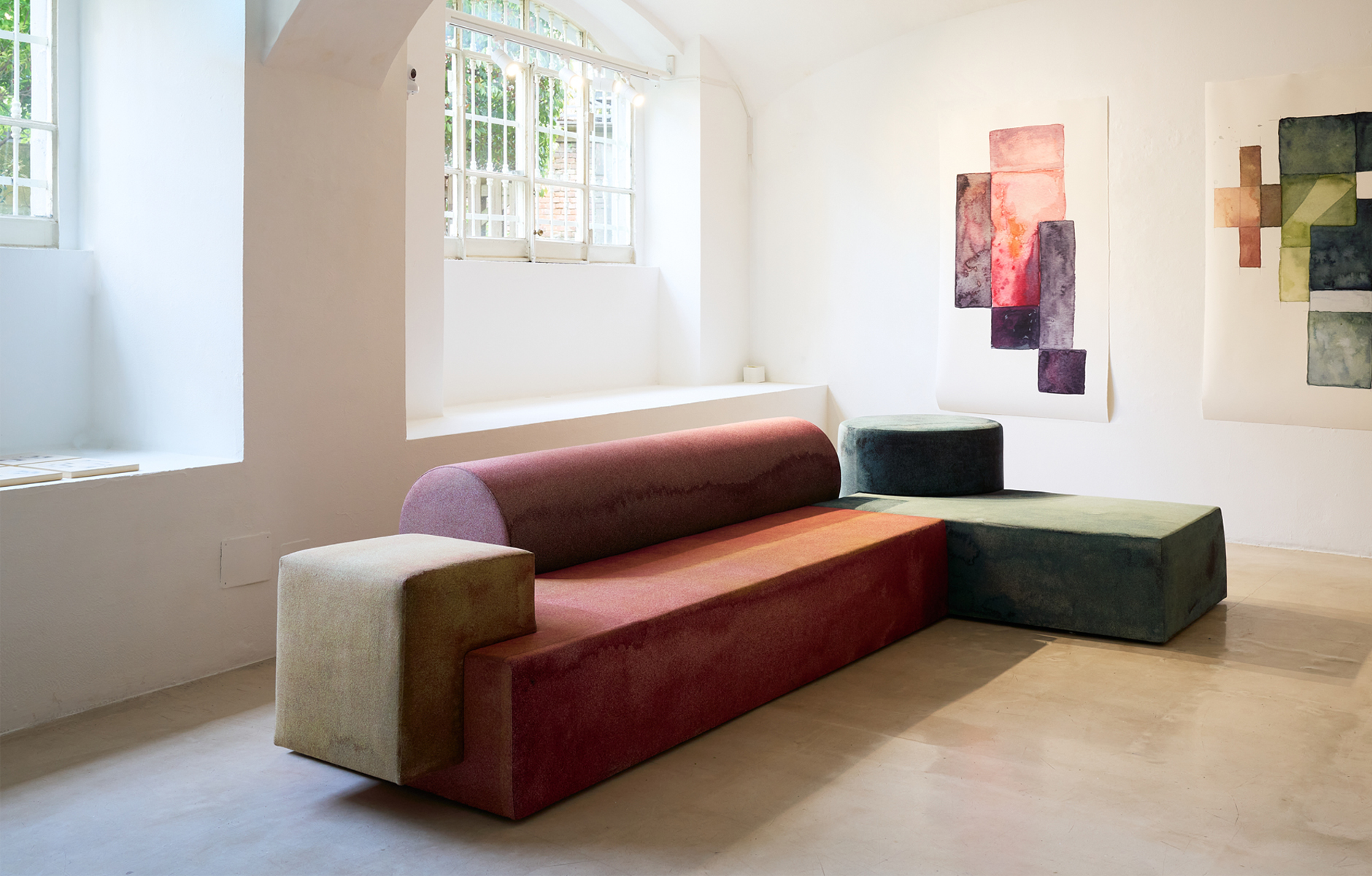
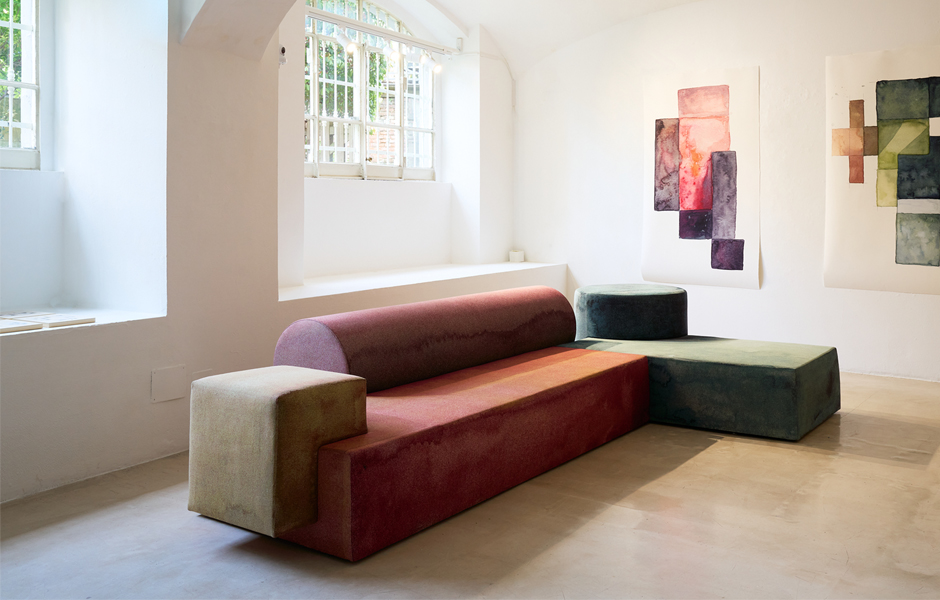
We found our inspiration in the mathematical accuracy and visual simplicity of the cube, sphere and cylinder. Basic geometric shapes have a natural beauty that goes beyond imitation or personal taste. Elementary geometric shapes arranged in composition with one another make sculptural seating elements that can be combined in endless variations. The pieces are upholstered in jacquard woven textiles featuring our drawings and paintings, where light and shadow have been translated directly into the surface of the fabric. This creates a subtle tension between the physical form and how it is perceived.
“When I speak of the beauty of shapes, I don’t mean what most people would suppose, such as the beauty of living things or of pictures. What I mean, if you understand me, are straight lines and circles, and the plane and solid figures constructed from them by means of compasses, rulers, and right angles. For these are not beautiful only in relation to something else, as other things are, but are always beautiful in themselves by their very nature.”
Plato, Philebus
As in the Socratic dialogue Philebus, GEOMETRIÆ sees designers Anna Lindgren and Sofia Lagerkvist, founders of Stockholm-based design studio Front, transform geometry into a field of perceptual inquiry. Exploring the complex relationship between form and representation through an experimental approach, GEOMETRIÆ stages both the clarity, and the perceptual ambiguity, of elemental geometric forms. Through the combination of primary geometric solids – spheres, parallelepipeds, cylinders – new volumes emerge immediately legible, essential, almost archetypal. Their presence in space generates a condition of suspension. Like in a de Chirico painting, formal linearity does not produce perceptual stability; it instead evokes a subtle, enigmatic unease. These objects remain recognisable while simultaneously eluding the ordinary logic of space.
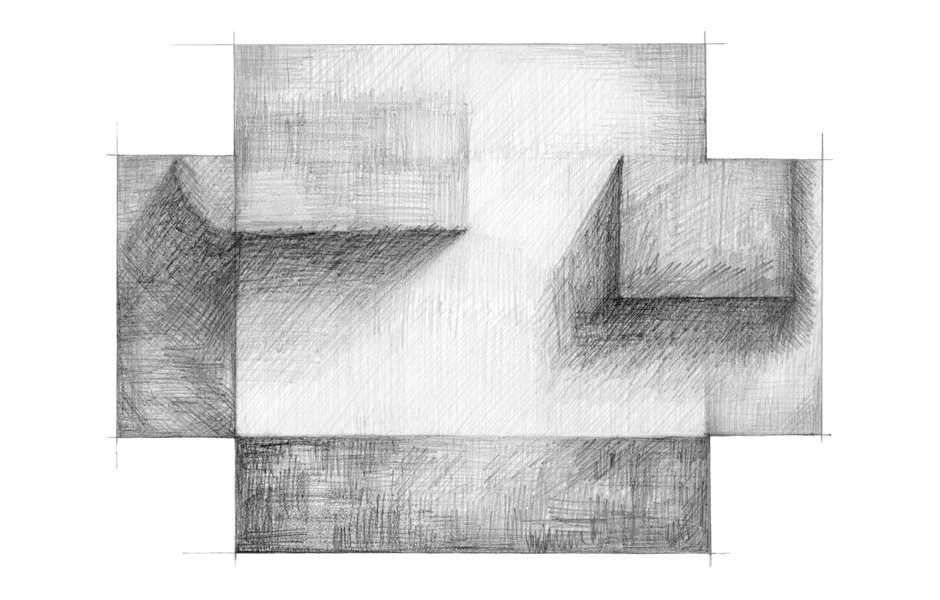
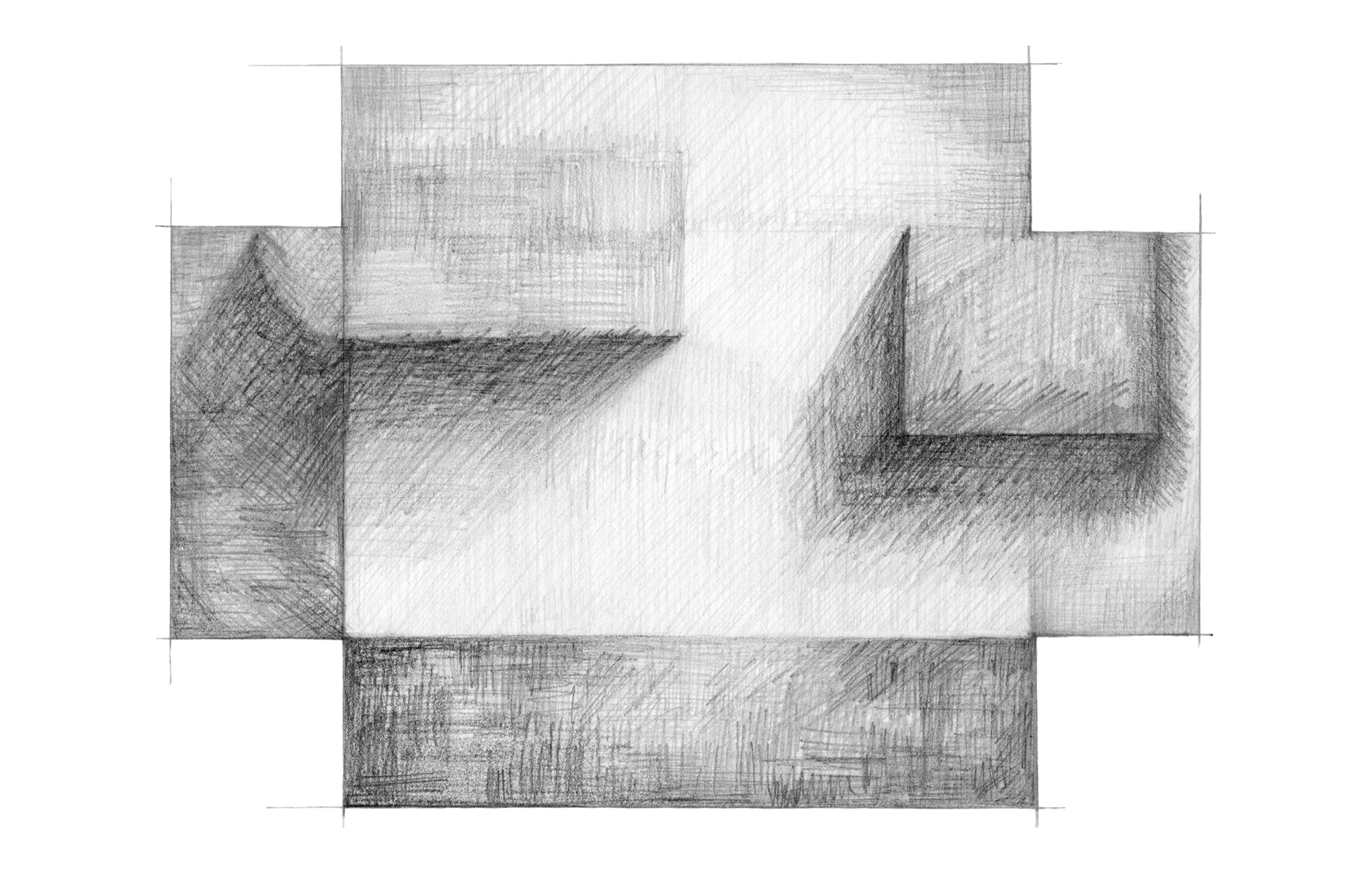
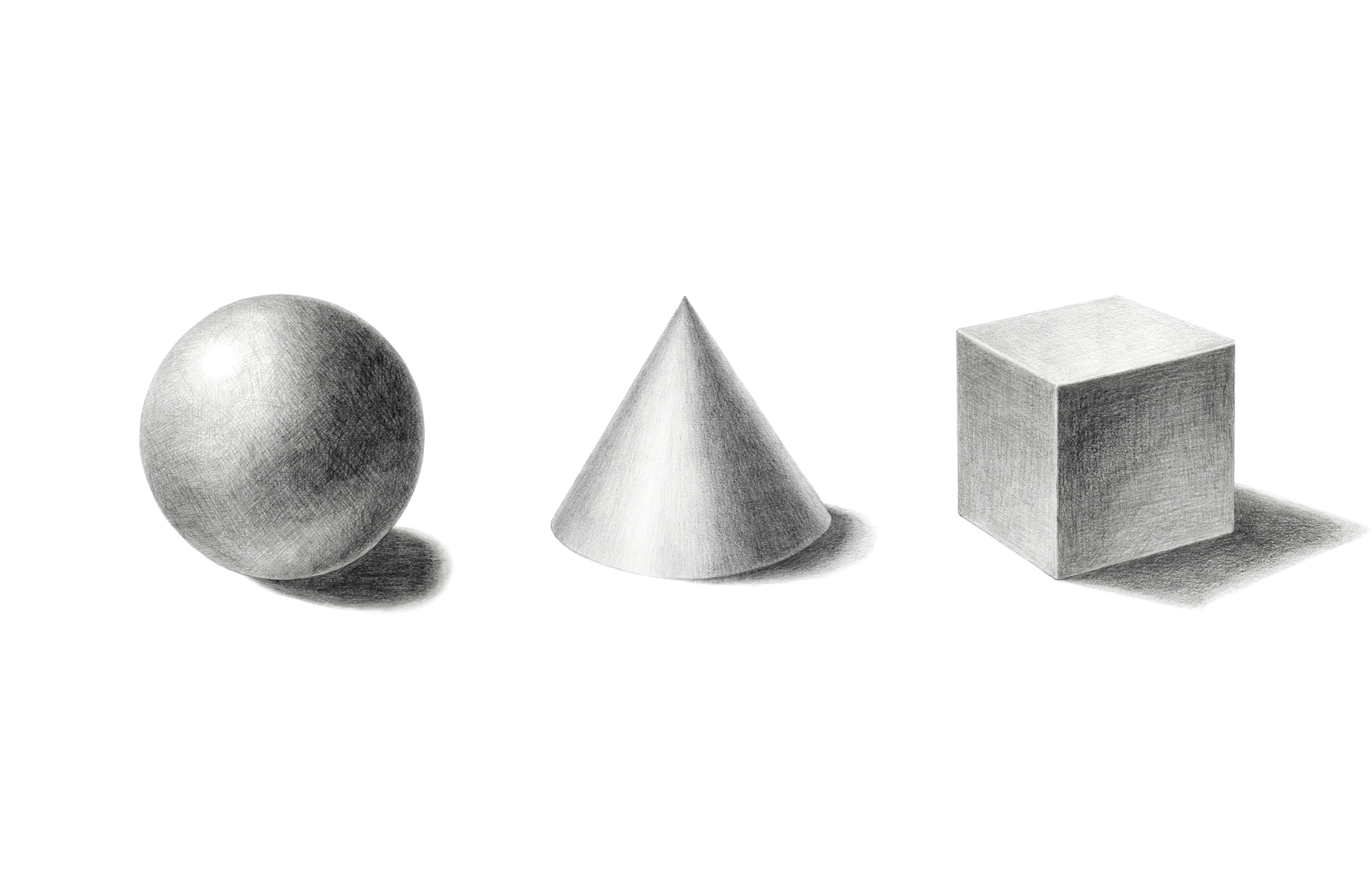
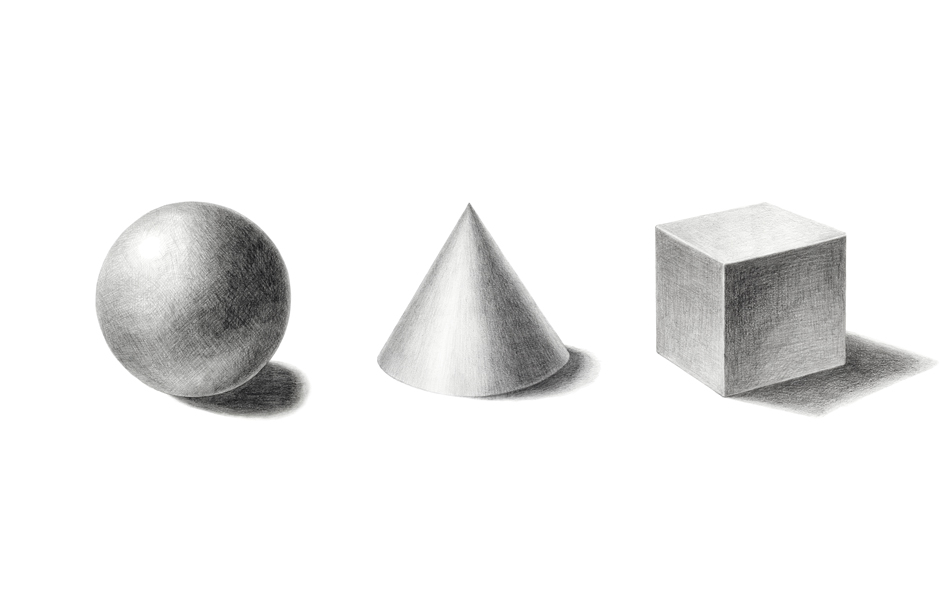
Within the creative process, each element is first studied on paper, drawn in pencil or watercolour as a refined exercise in three-dimensional representation, where shadows, tonal gradations and surfaces are rendered according to a painterly logic. Once defined, each form is translated into a two-dimensional projection, laid out, enlarged, and then transformed into a jacquard-woven textile for the final, upholstered object.
In this way, an abstract image (painterly in nature) generates a projection (physical in nature) of the represented object. The shadow we perceive is not produced by the light of the environment; it is inscribed within the drawing of the surfaces themselves. Perceptual experience thus occupies a zone of uncertainty. Geometry, a discipline devoted to clarity and stability, becomes the ground for a subtle sensory evasion. The geometric solids appear simultaneously concrete and imagined. They are not merely functional artifacts, but the very narration of their own process of formation, in which the “painted” volume and the “constructed” volume never fully coincide. Each element appears, ambiguously, at once as body and as image.
This is not a simple trompe-l’œil, but a conceptual dissonance in which the physical logic of light is replaced by an intuitive one. The project inhabits an intermediate territory between design and representation, a place where geometry becomes an instrument for questioning the way we see – and imagine – the world.